
Connect site information across infrastructure and network assets
The same asset, represented differently across systems
A tower exists in a drawing, a point cloud and a GIS layer, and none of them agree on which is current.
A site is digitised, but nobody can tell if the coordinates line up.
A record is updated in one system and quietly goes stale in the rest.
These are process problems with technical dependencies. Infrastructure digital asset management solutions look at how drawings, scans, models and asset records relate to each other across a portfolio - and where an identifier, integration or connection can resolve the gap.
Start with the asset decision that's hardest to make with confidence
Define what needs to improve: alignment, trust or access
The right connection depends on the asset and the decision it supports
Towers, facilities, linear assets and networks each carry different information across different systems.

Telecom Network Operators
Site digitisation and asset platforms connected to enterprise records. Explore Sector Workflow

Utilities
Linear and distributed assets with consistent identifiers across drawings and GIS.

Infrastructure Owners
Portfolio-wide asset information tied to planning and upgrade decisions. Explore Sector Workflow

Engineering & Field Teams
A dependable way to locate current information about a site or asset.
Choose the capability your asset-information workflow needs
Advisory work identifies which connections matter most; integration, platform engineering and analytics put the agreed workflow into practice.
Assess & Advise
Understand available site information, identifiers and the decision the workflow needs to support.
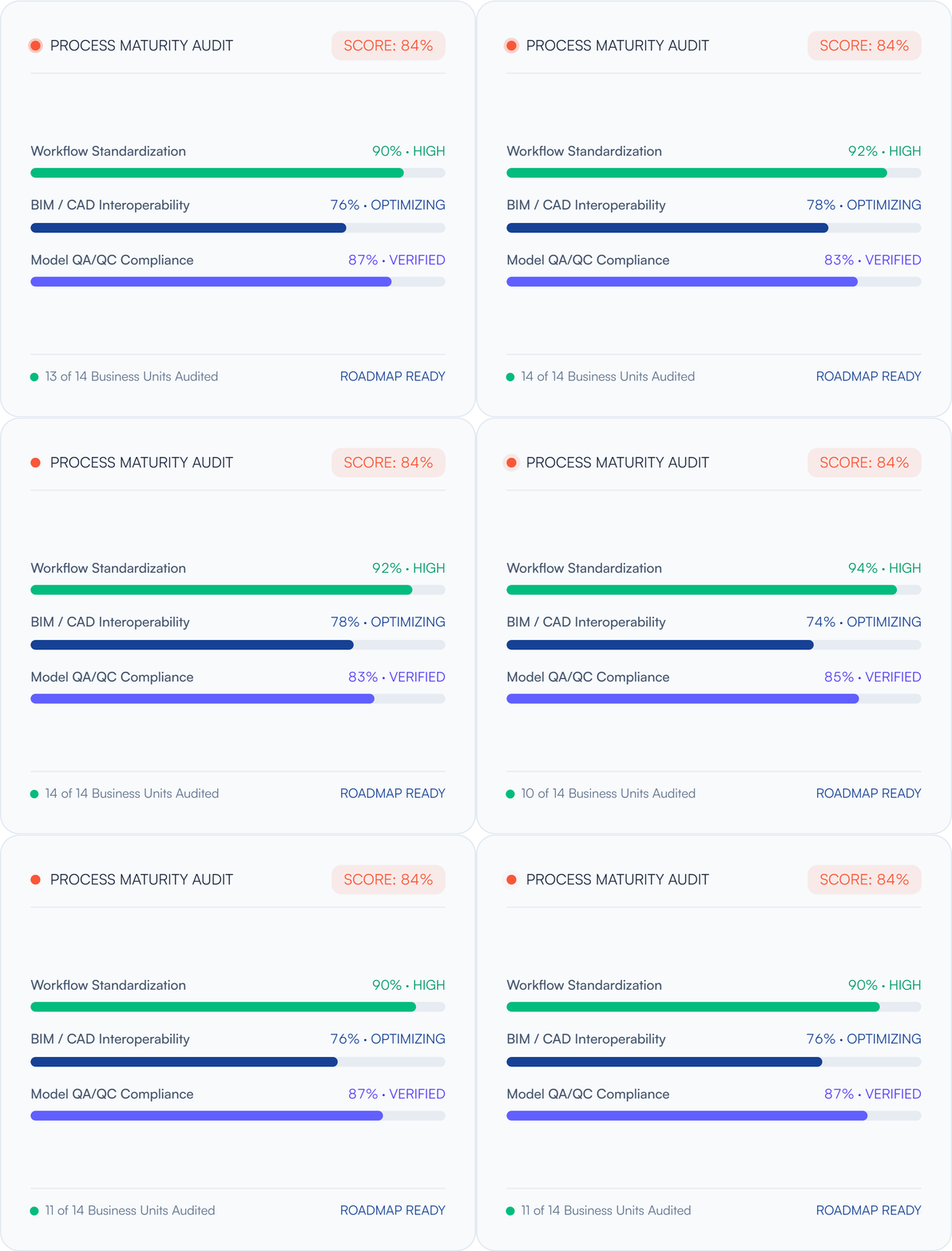
BIM, Point Cloud & GIS
Bring model, scan and geographic data together around a shared asset record.
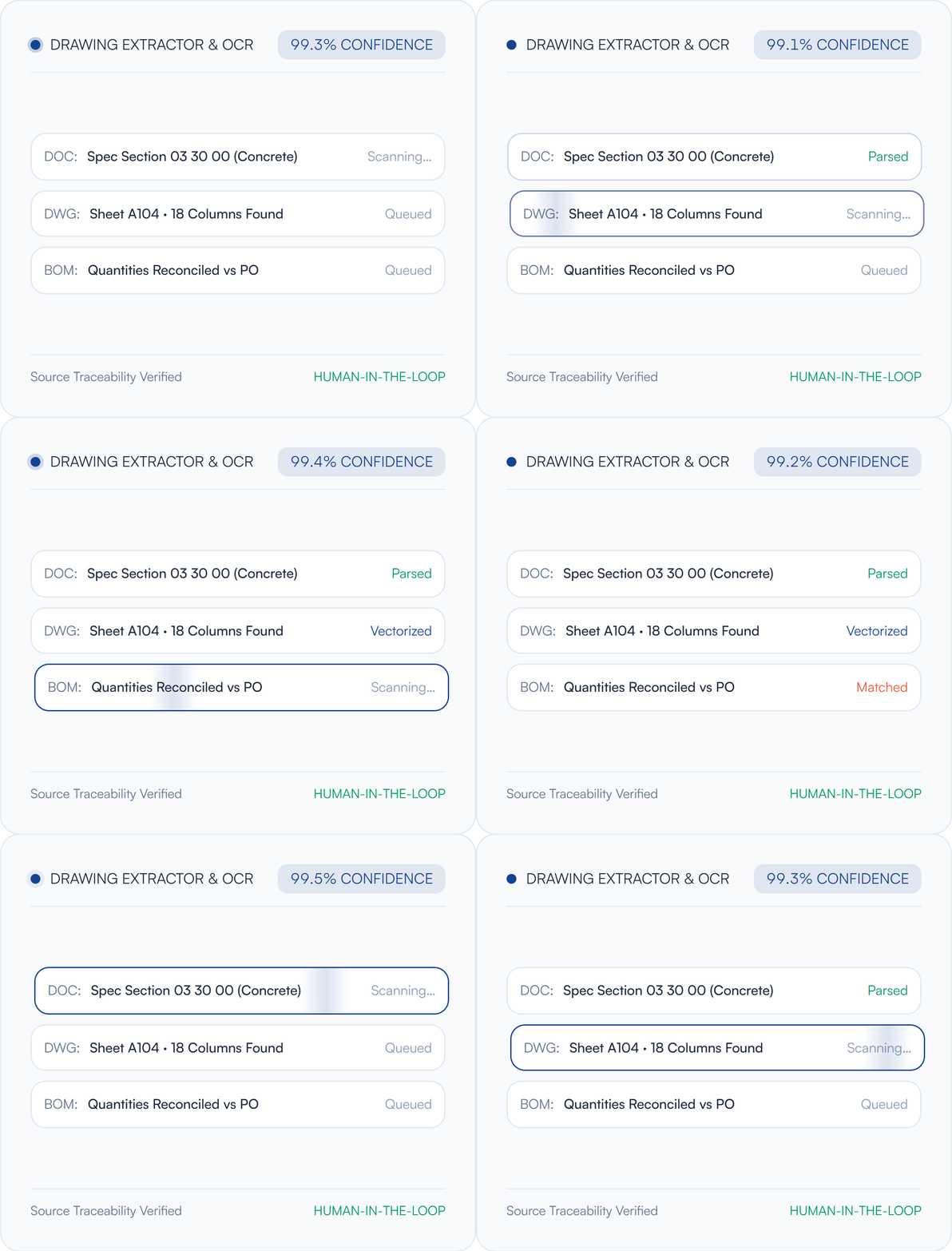
Digital Twin Platforms
Build the visual and data layer that fits your asset use case, from a viewer to a connected platform.
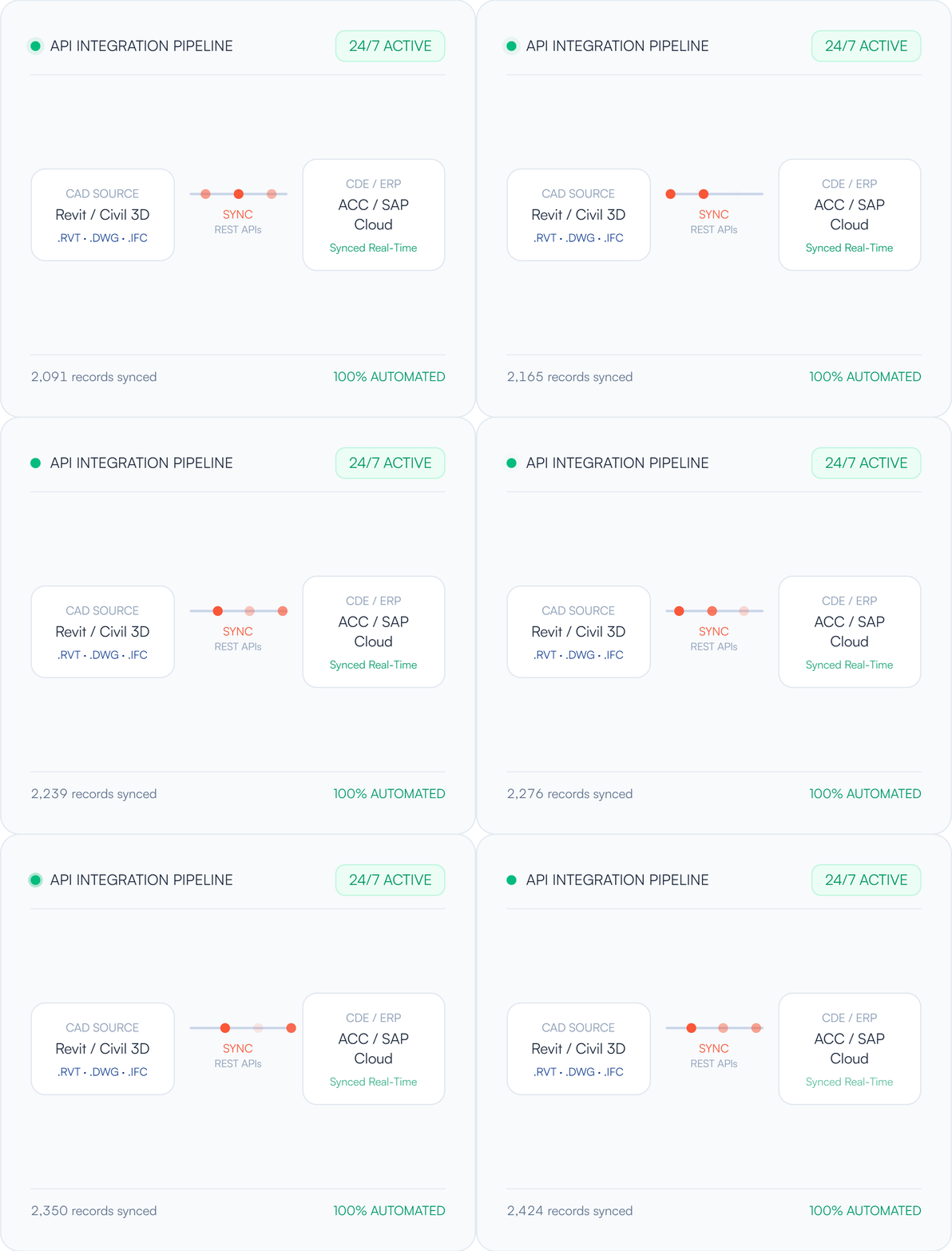
Asset Data & Systems Integration
Connect site information with the enterprise systems that own it.
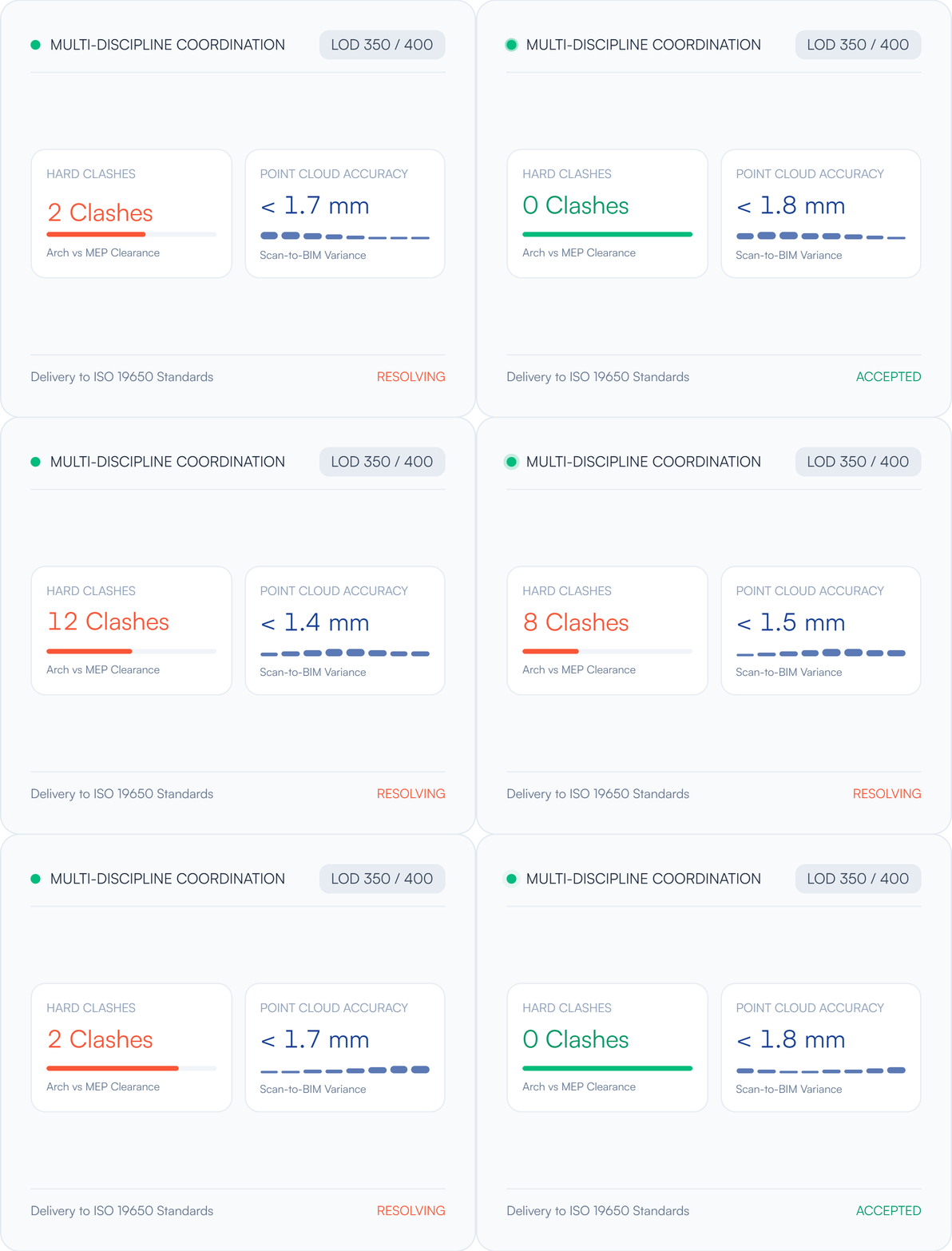
Engineering Analytics & Power BI
Turn connected asset data into a view teams can use for planning and review.
Understand, prioritise, validate, implement, improve
Applied to infrastructure and network assets, the method connects site information with implementation decisions - across coordinate systems, identifiers and record ownership.
Map the Workflow
Map the drawings, scans, models and systems currently representing the asset portfolio.
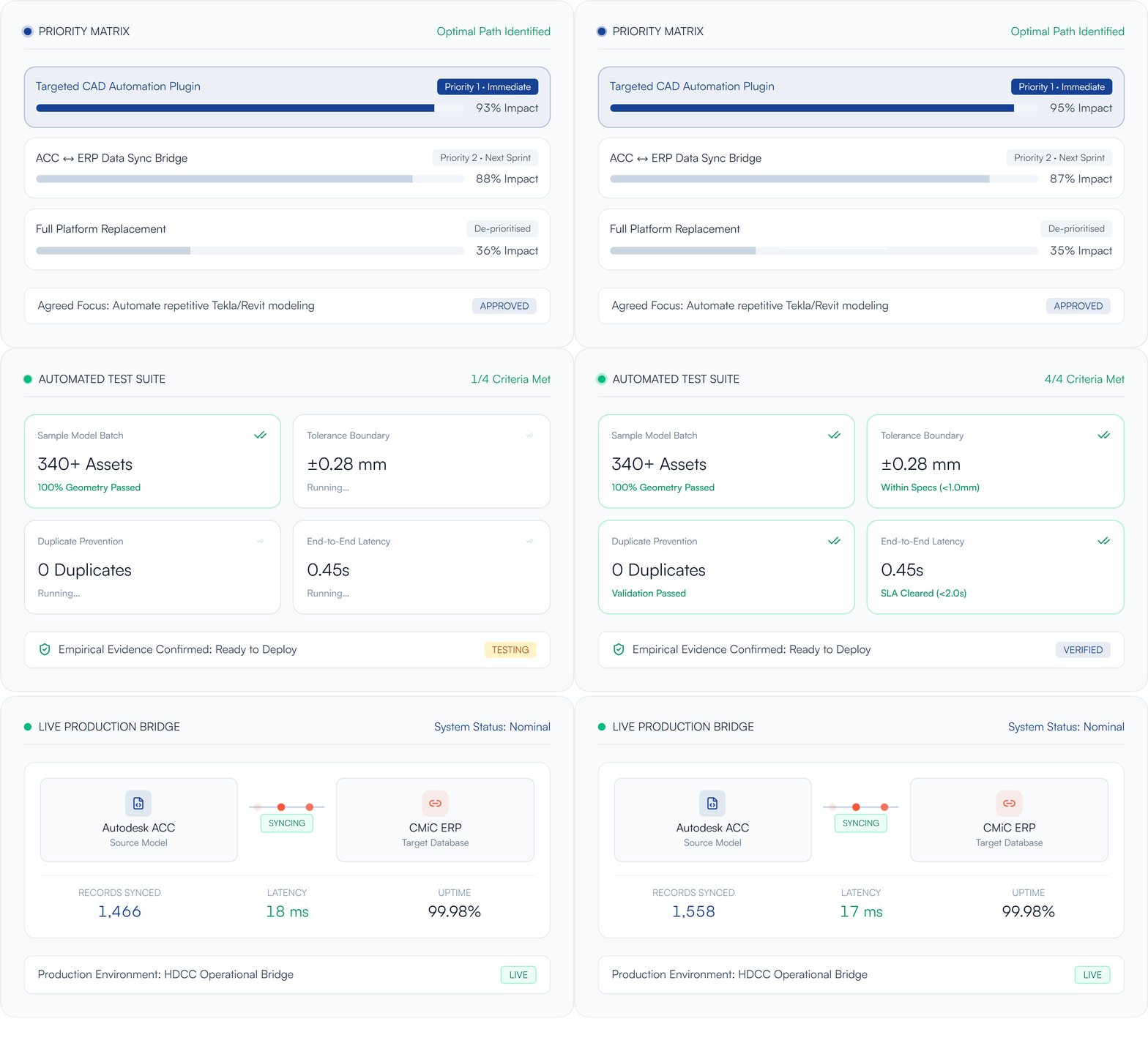
Evidence from infrastructure and telecom projects
Making a real difference
Site Digitisation & Enterprise Integration
nCircle Tech's telecom capability work brings together site digitisation, digital asset platforms and enterprise information integration - a starting point for discussing a defined site-information workflow across a network portfolio.

Products for focused asset-information tasks
Use a product when the requirement is specific. For requirements extending beyond a product's scope, NCircleTech also provides custom platform and integration capabilities.

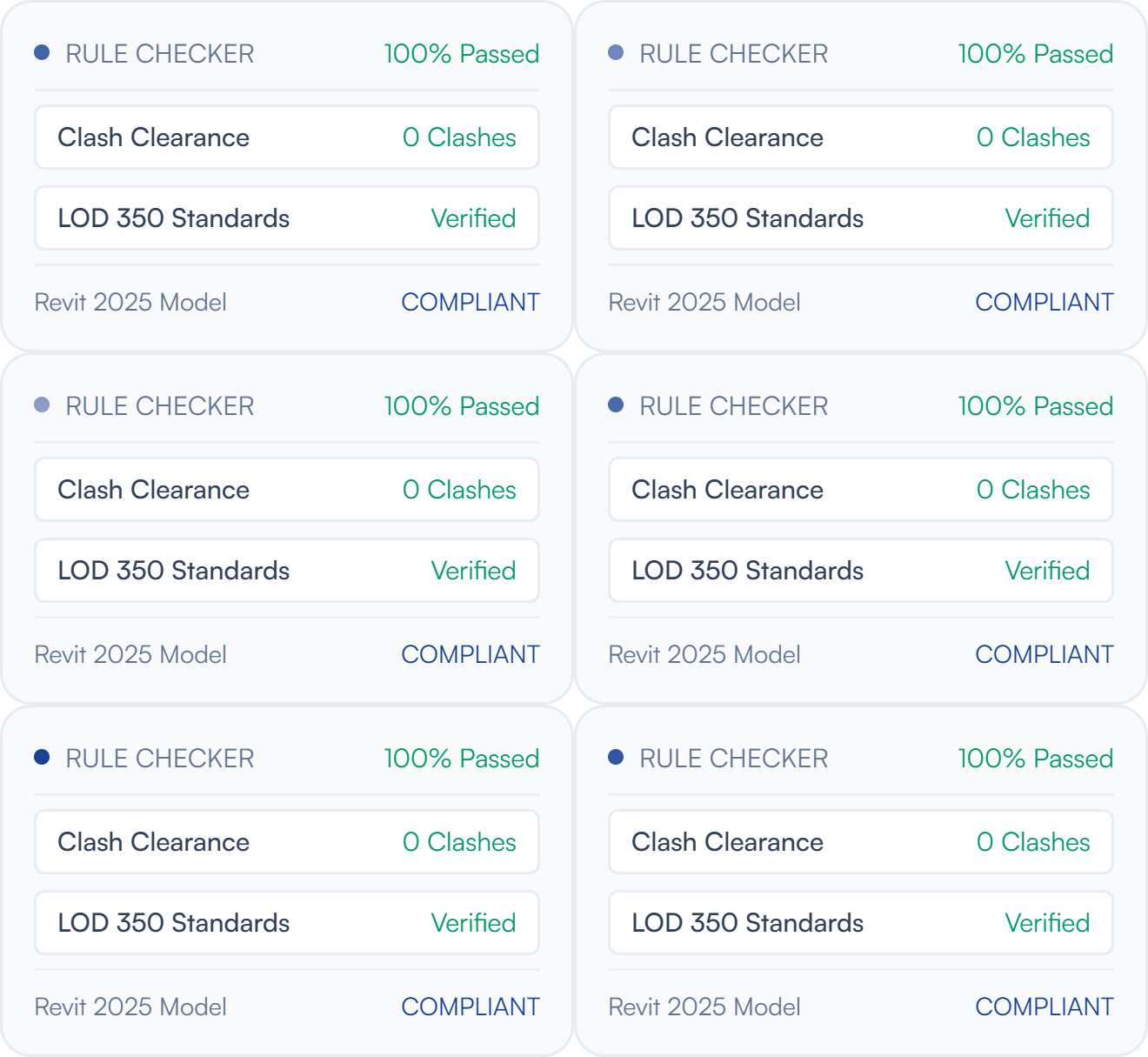
QA BIM Model Rule Checker
Verify that model information meets the standard your asset data depends on.

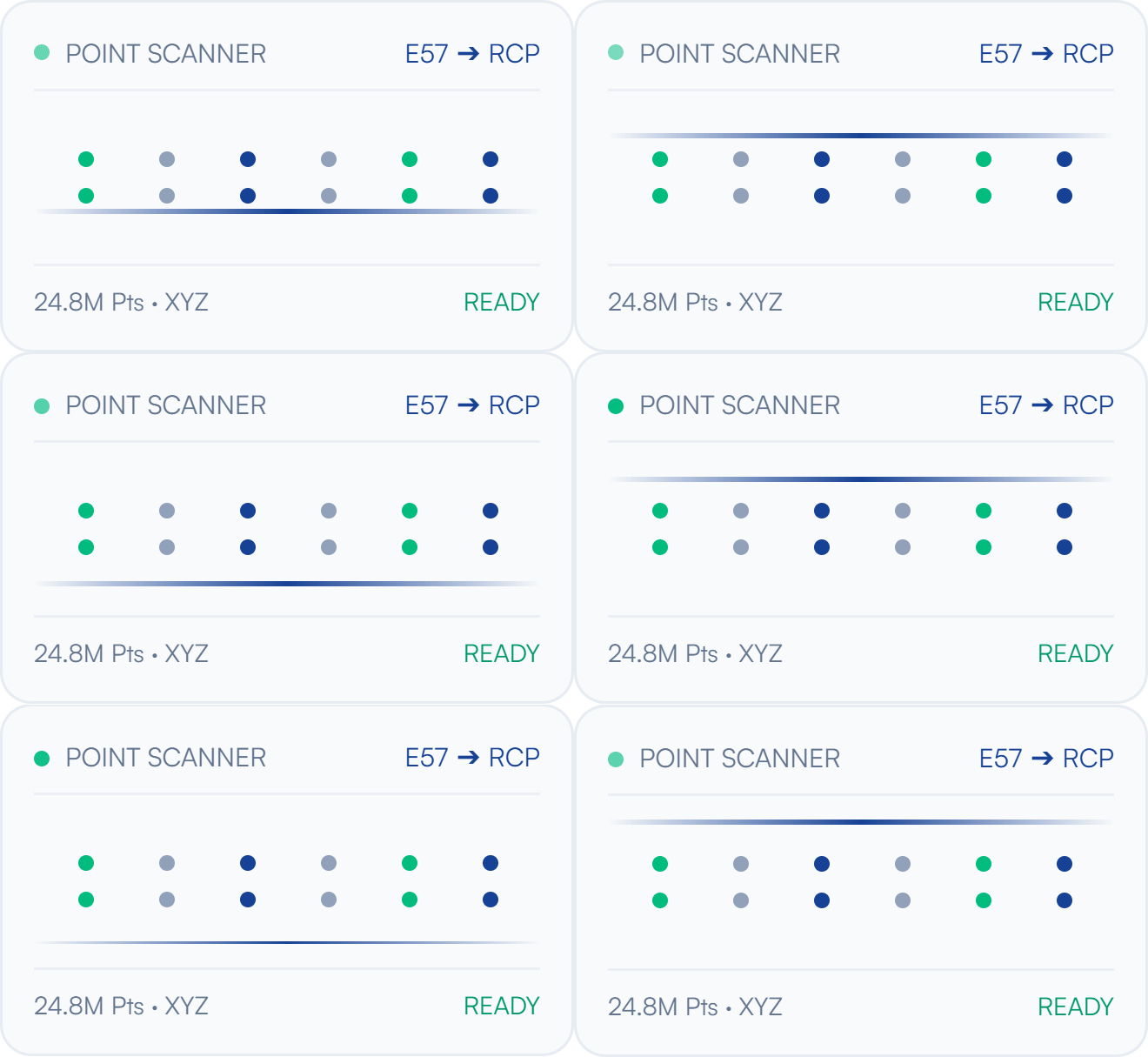
Point Cloud Importer/Exporter
Exchange point clouds between design and facility environments.

Deviation nSpector
Compare model geometry against point-cloud evidence of as-built conditions.

BIM Connections
Automate repeated transfers between project and facility systems.
Start with an Infrastructure Asset Information Process Assessment
A Process Assessment examines the people, process, data and systems behind a selected infrastructure or network asset workflow.
Choose a site or asset group that reflects the information available across your portfolio.
The assessment scope and outputs are agreed before work begins.
Can your team tell which representation of an asset is current?
Where do coordinates, identifiers or records disagree?
Which next step is worth evaluating against your priorities?
The right delivery model for the next step
Move forward through a defined project, a dedicated engineering team, or specialist support within your existing facilities programme. A focused requirement can be a valid starting point.
Fixed-Scope Delivery
A focused requirement with specified inputs, acceptance criteria, timeline and agreed deliverables.
Dedicated Engineering Pod
Co-development teams embedded alongside your engineers, delivering CAD/BIM plugins, geometry algorithms and cloud integrations.
Turnkey Specialist Advisory
Architecture assessment, process mapping and transformation roadmap guidance across tools and platforms.
Frequently asked questions
Common questions about BIM for facility management, and how engagements start.
A portfolio needs consistent identifiers and shared information rules, but different asset types can require different detail. Start with the decisions and system relationships the information must support.
Which asset decision is difficult because the information is scattered?
Discuss the data and workflow you need to connect.